NC Composting Council 2026 Grant Recipients:
Each year, the North Carolina Composting Council (NCCC) awards microgrants to support innovative composting projects across the state, providing $1,000 per grant. The 2025 grant cycle was especially competitive, with 12 strong proposals submitted. In recognition of the high quality of applications, NCCC elected to fund four projects this year and is pleased to announce the grant recipients: Bountiful Cities, Toxic Free NC, Zealous Empowering Nurturer (ZEN), and Happy Roots.
Bountiful Cities
Based in Asheville, Bountiful Cities is a nonprofit organization founded in 2000 that works to build abundant, food-sovereign communities through sustainable agriculture, education, and resource sharing. For more than 20 years, the organization has advanced a vision of sustainability rooted in environmental health, social equity, and economic viability. Its programs—including the Community Garden Network, FEAST cooking and gardening education in public schools, and the Pearson Garden Food Hub—bring people together for hands-on learning while strengthening long-term food security.
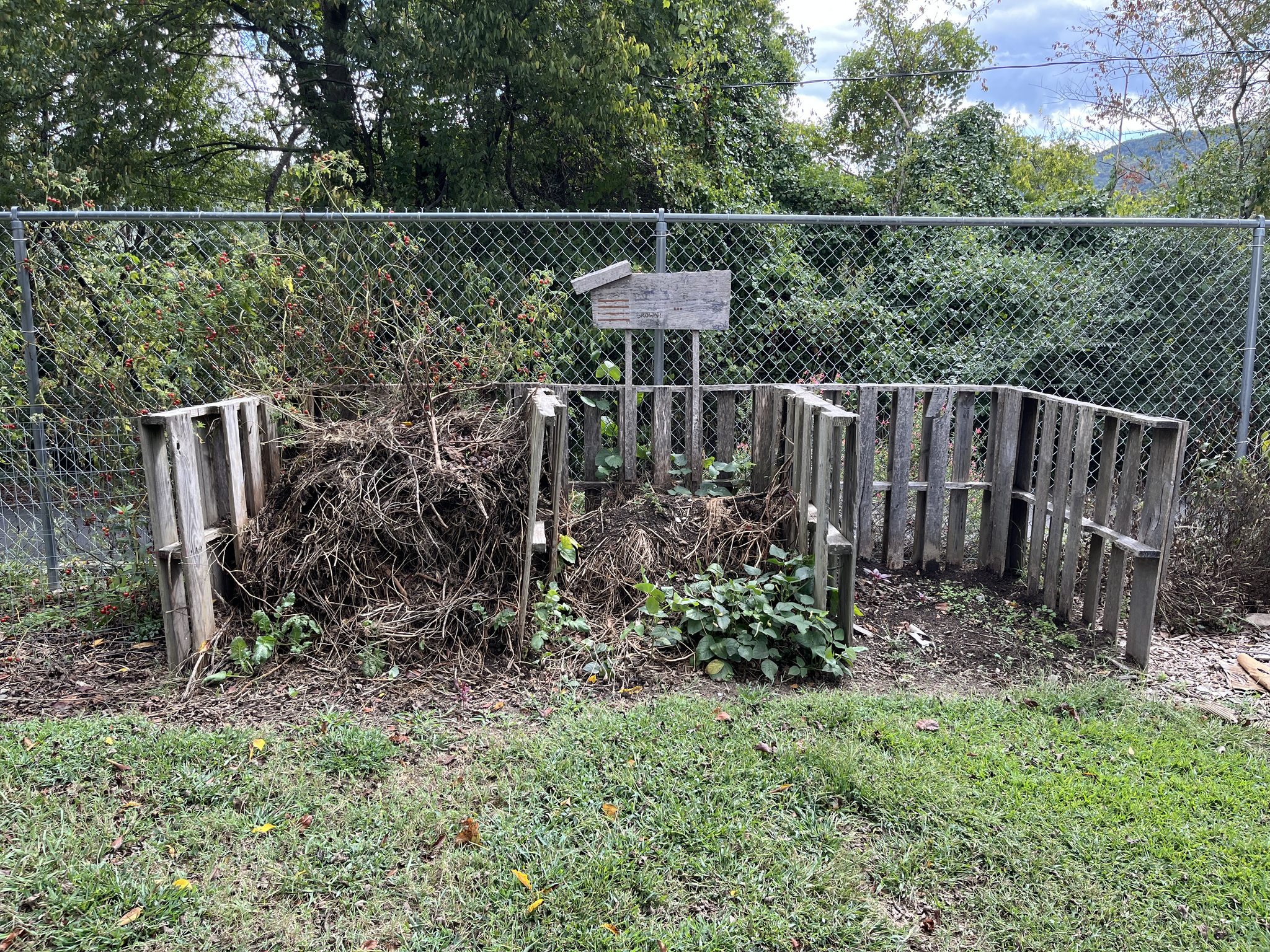
Grant funding will support improvements to composting infrastructure at the Pearson Food Hub and two public school gardens, Lucy S. Herring Elementary and Hall Fletcher Elementary. The project will expand compost capacity, address rodent issues, and add clear, educational signage so community members and students can actively participate in composting. Funds will also provide compost collection buckets for households and classrooms. These upgrades will strengthen soil health, enhance hands-on science education for students, and deepen community engagement—ensuring that composting remains a vital part of Bountiful Cities’ integrated, community-centered food system.
Toxic Free NC
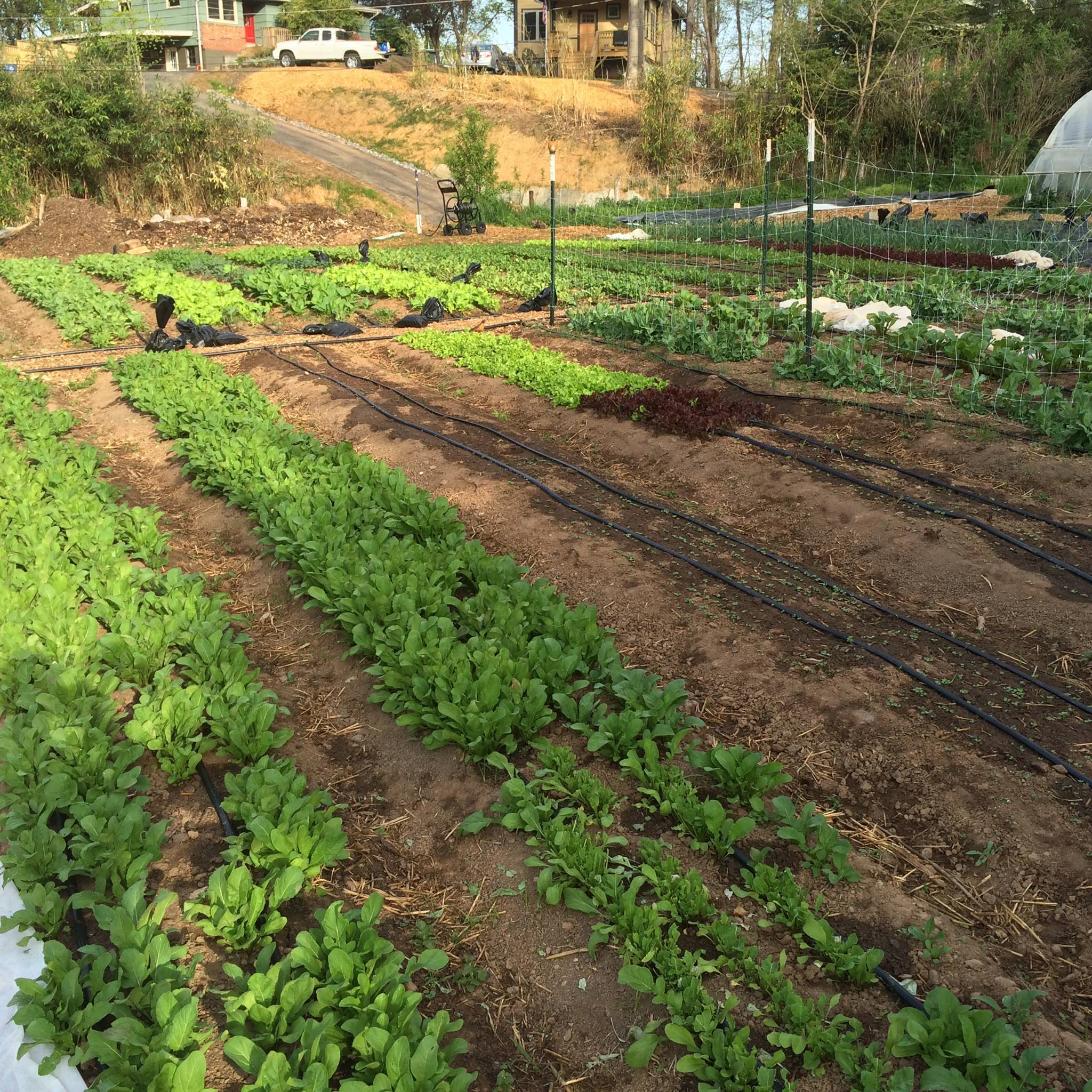
Founded in 1986, Toxic Free NC advances environmental health and justice in North Carolina by promoting safer alternatives to harmful chemicals and supporting sustainable farming practices. Its Women of Color Farmers Network connects 50 farmers through monthly calls, farm visits, workshops, and skill sharing.
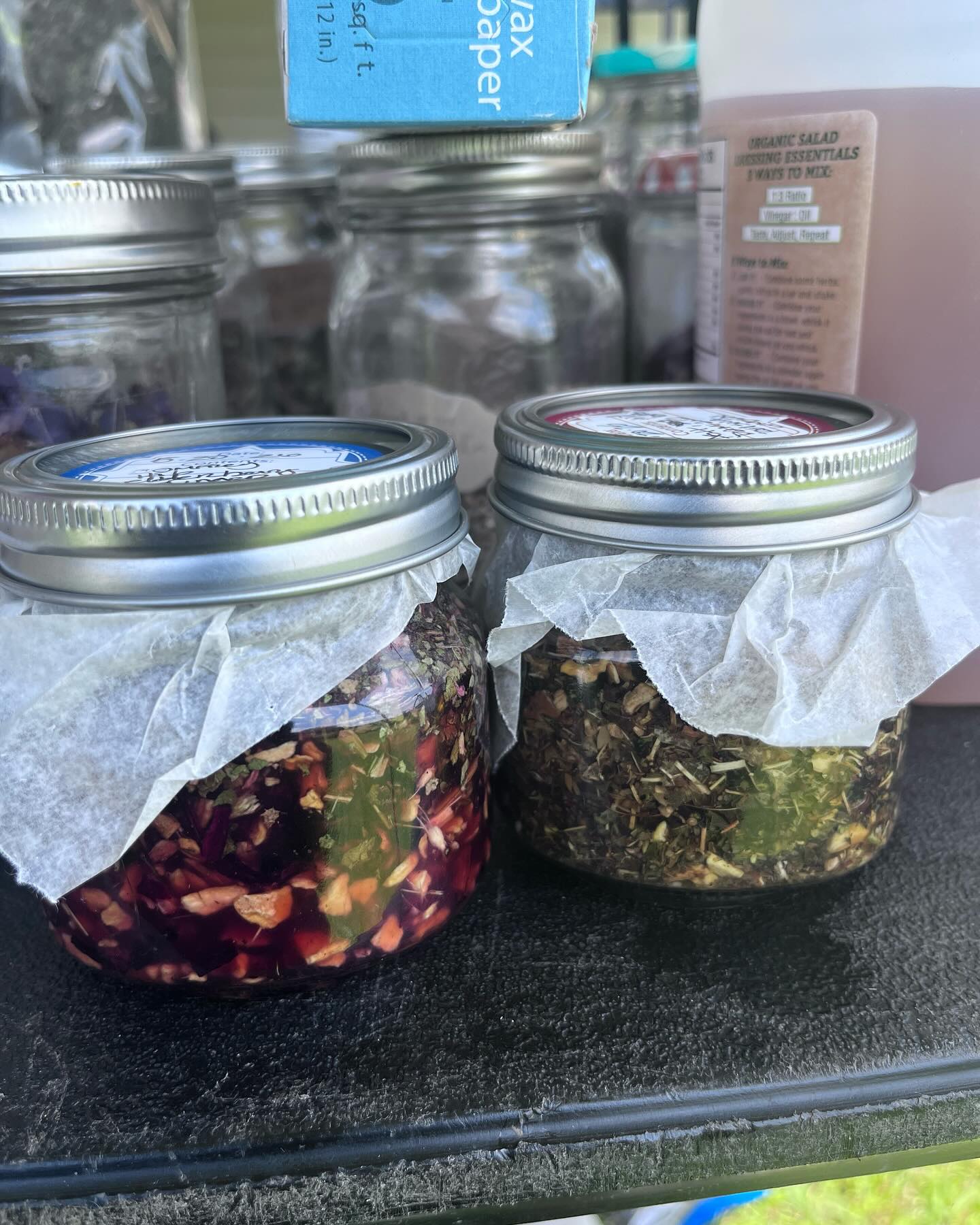
This year, network members are collaborating to launch Rooted Blends, a locally grown herbal spice blend. Grant funding will support composting systems for up to 10 member farms, improving soil health and helping beginning farmers grow high-quality herbs while strengthening their long-term farm businesses.
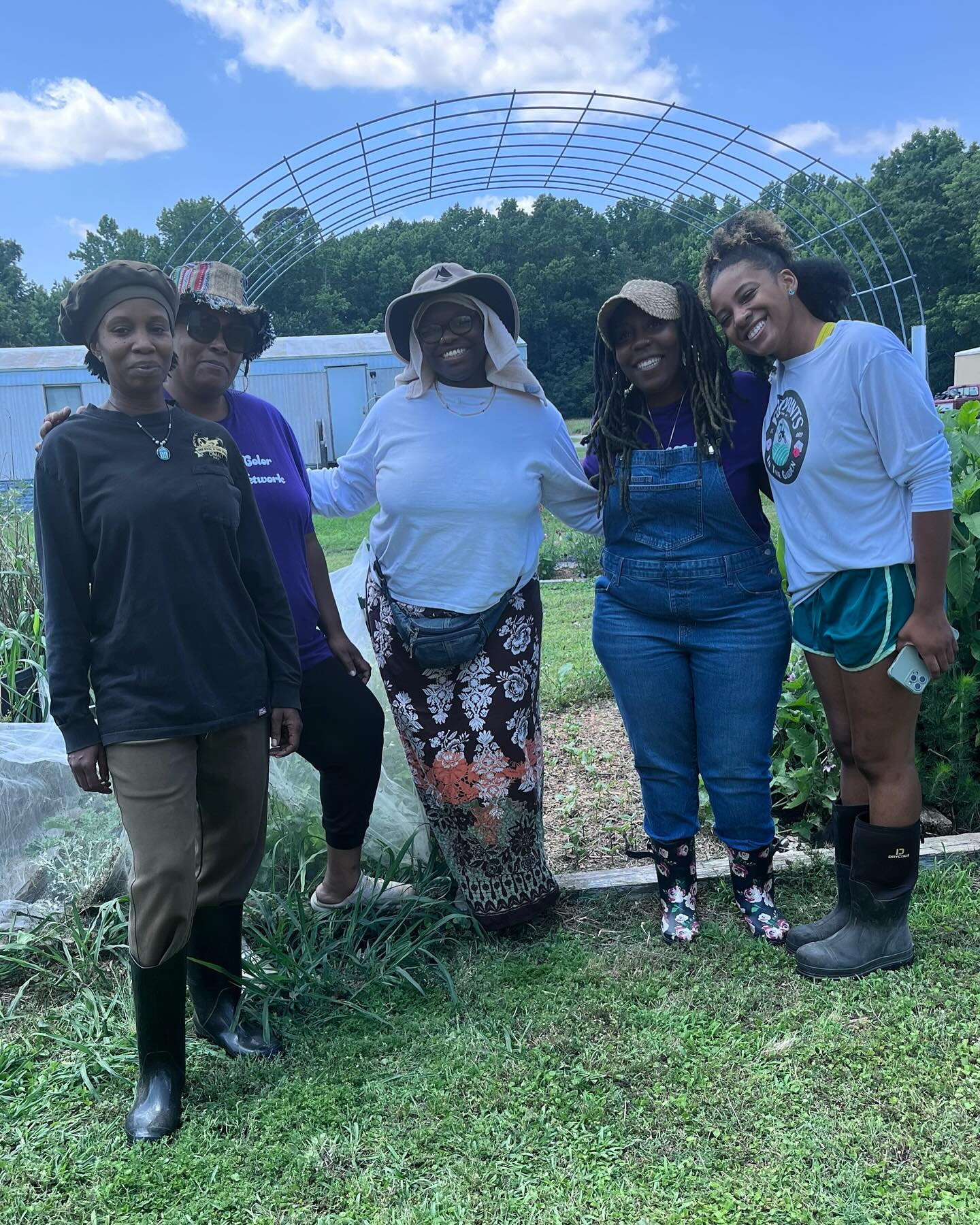
ZEN
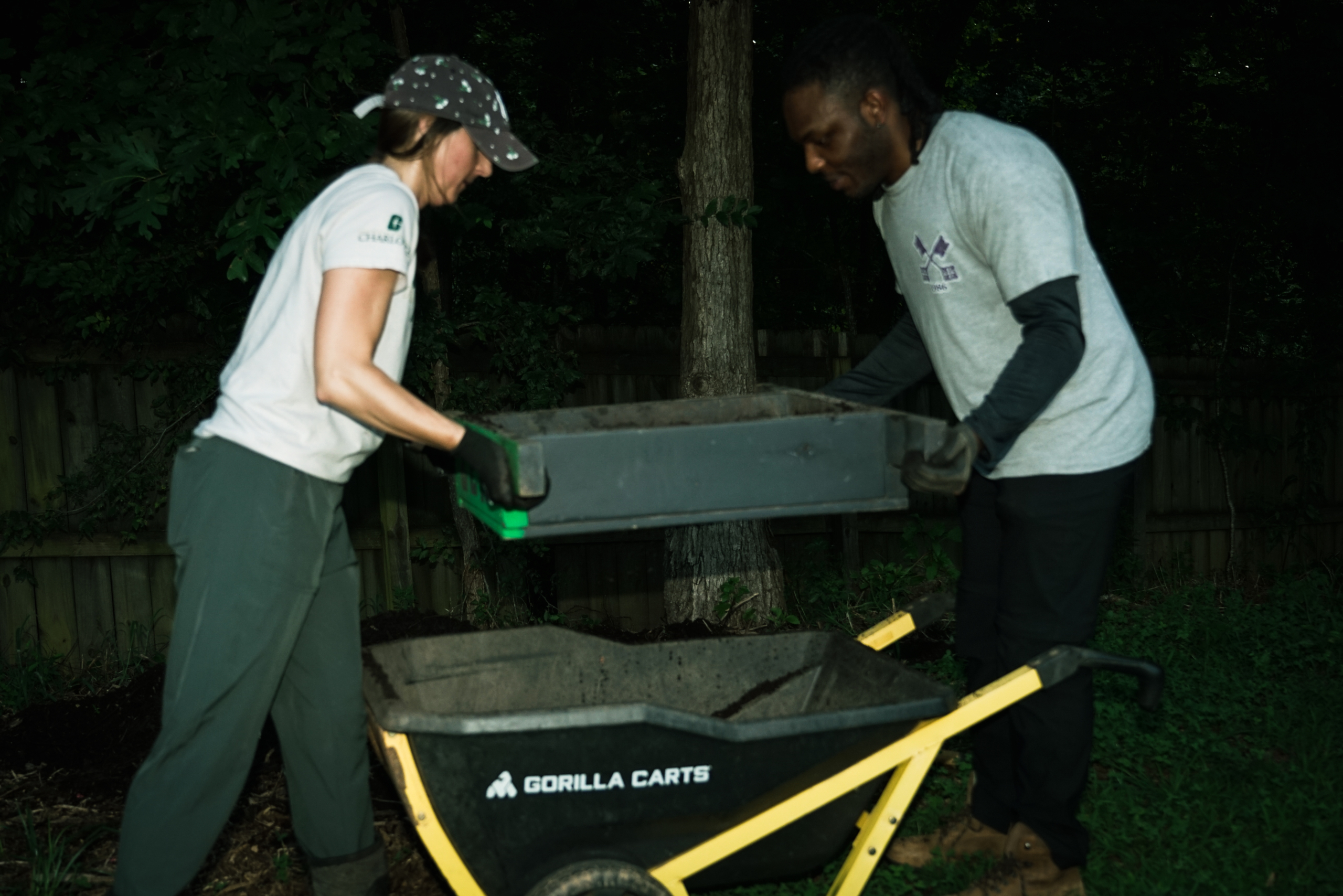
Zealous Empowering Nurturer, Inc. (ZEN) is a Charlotte-based nonprofit dedicated to building community resilience through gardening, education, and wellness. Founded by April Booker, ZEN operates Charlotte’s first educational edible landscape hub, ZEN’s Garden for the Community, which serves as a living classroom where residents learn regenerative gardening practices, grow fresh food, and strengthen neighborhood connections.
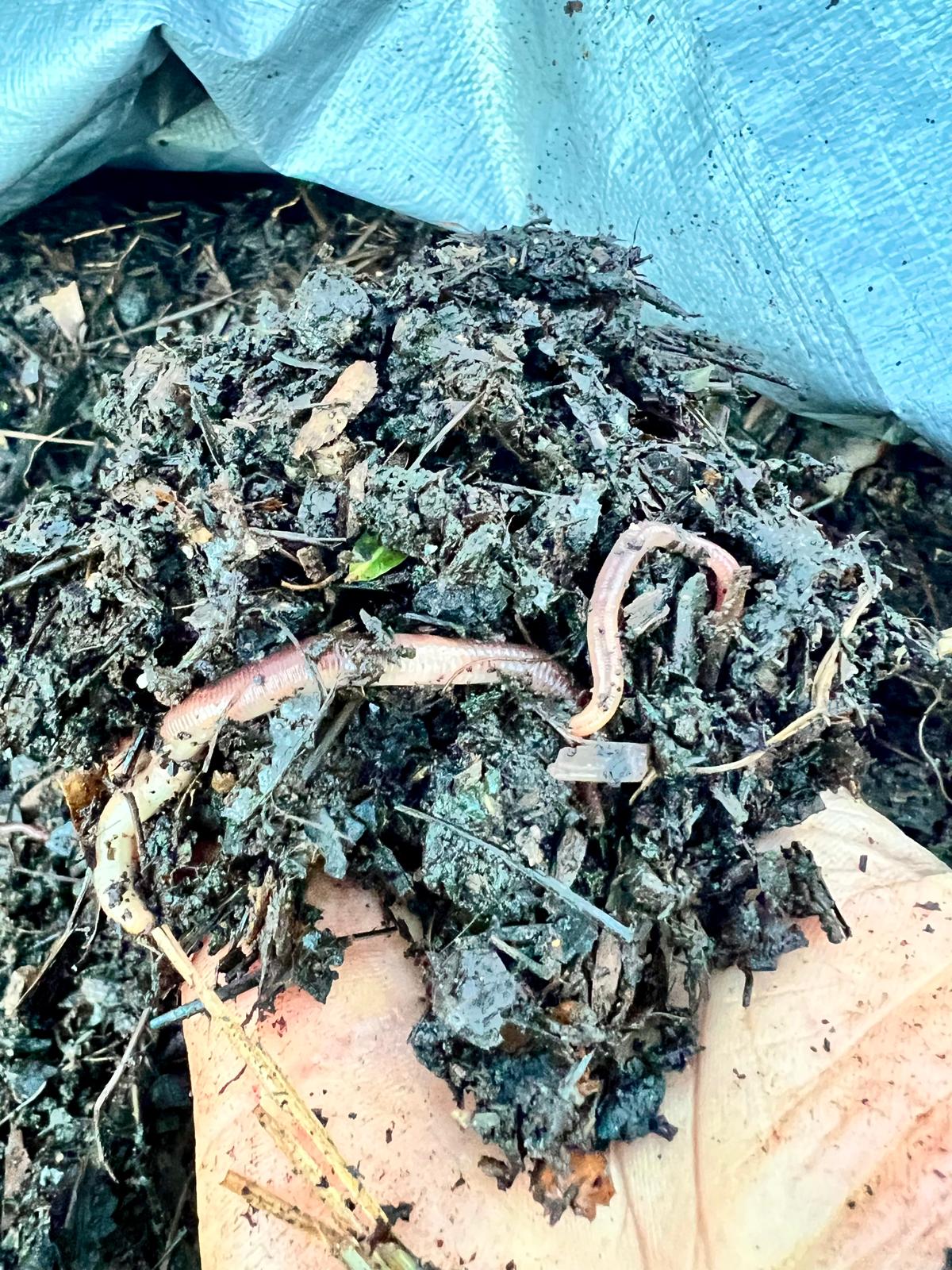
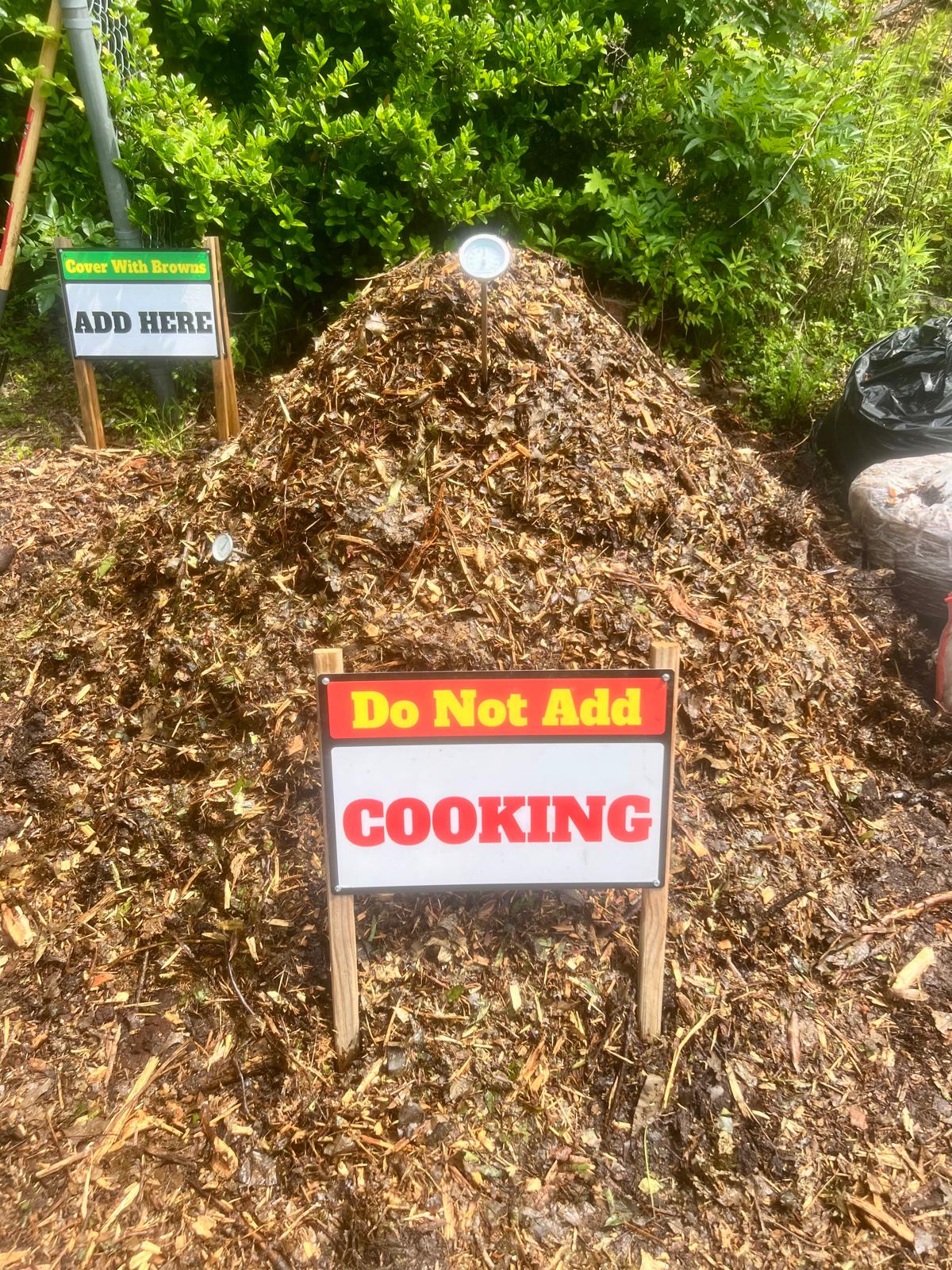
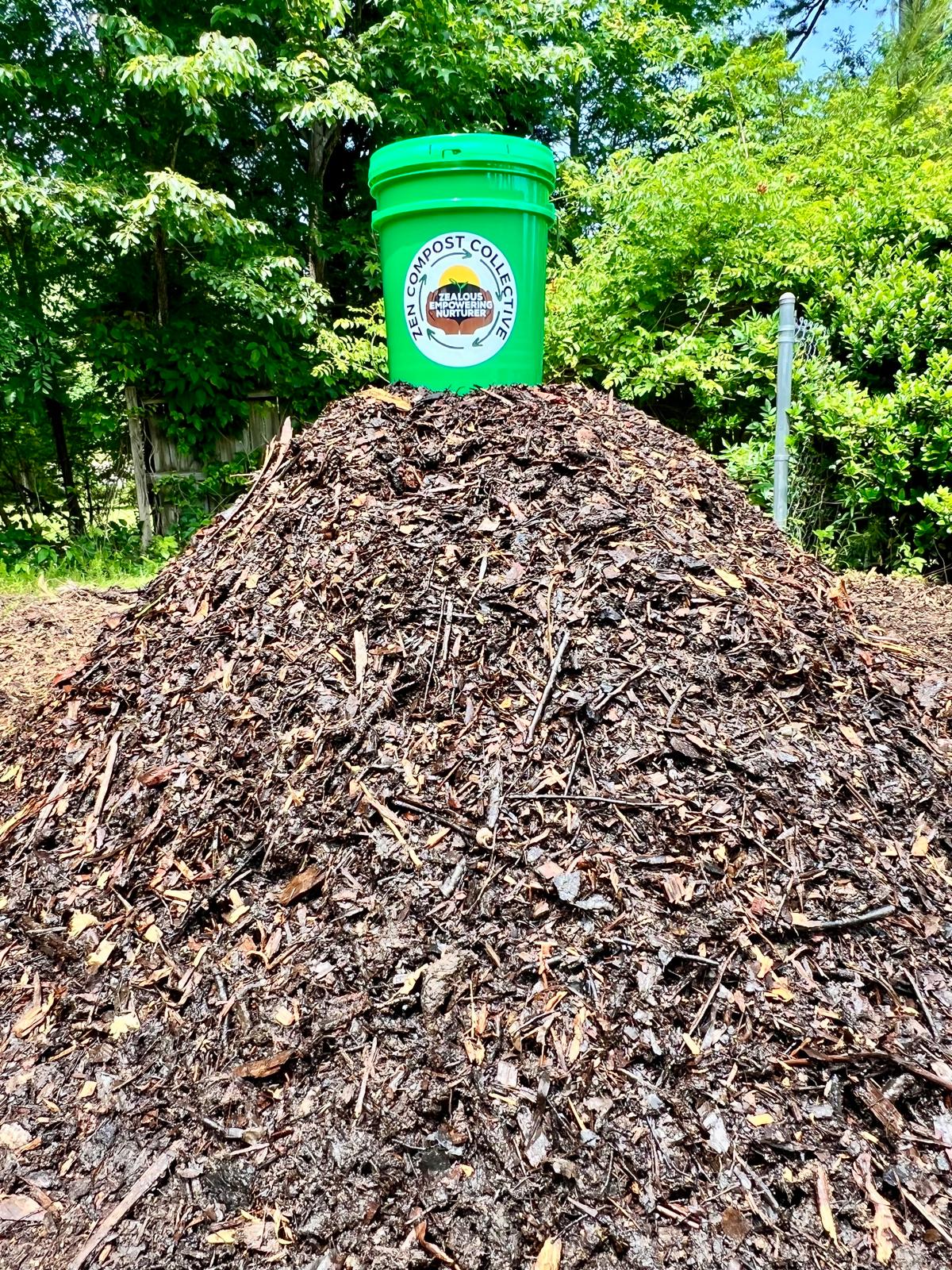
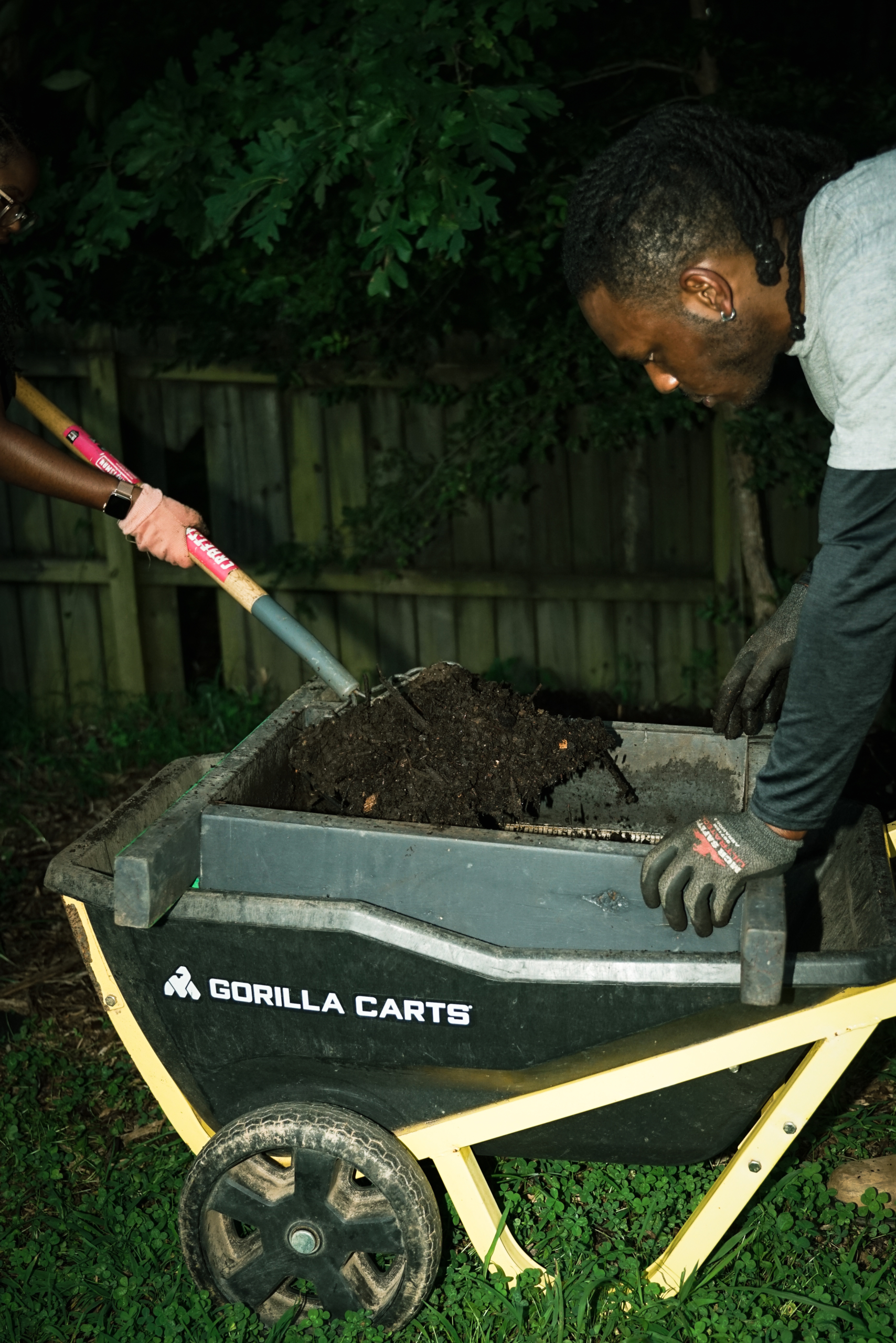
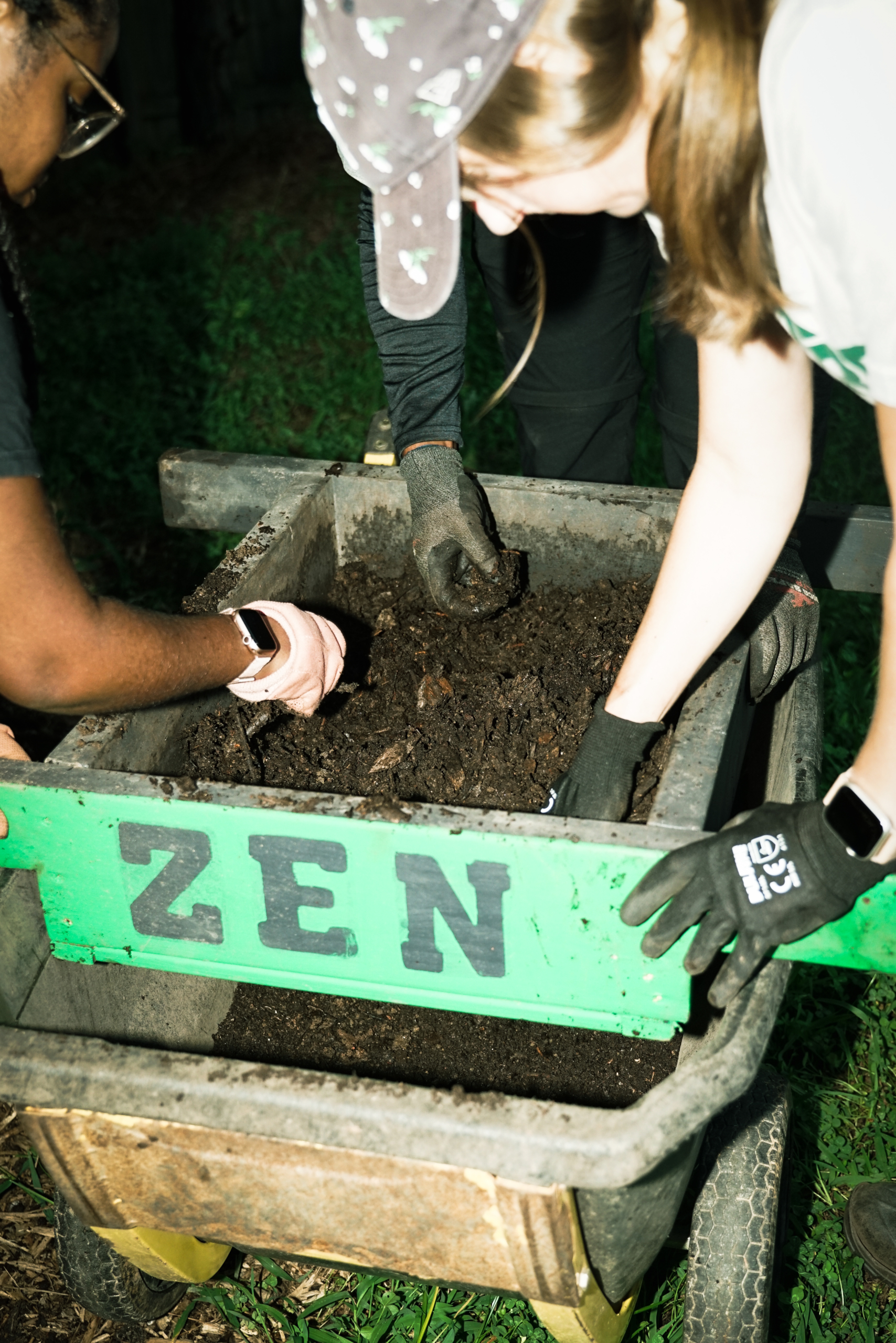
Grant funding will support the expansion of the ZEN Compost Collective, a community-driven initiative that transforms local food waste into nutrient-rich compost for ZEN’s gardens, school partnerships, and senior-living garden programs. Funds will be used to build covered composting stations, purchase a mechanical compost sifter, and create educational signage and collection materials that engage residents and local restaurants. By closing the loop between food waste and food security, the project improves soil health, reduces waste, and creates a sustainable, community-powered composting model that nourishes both people and the environment.
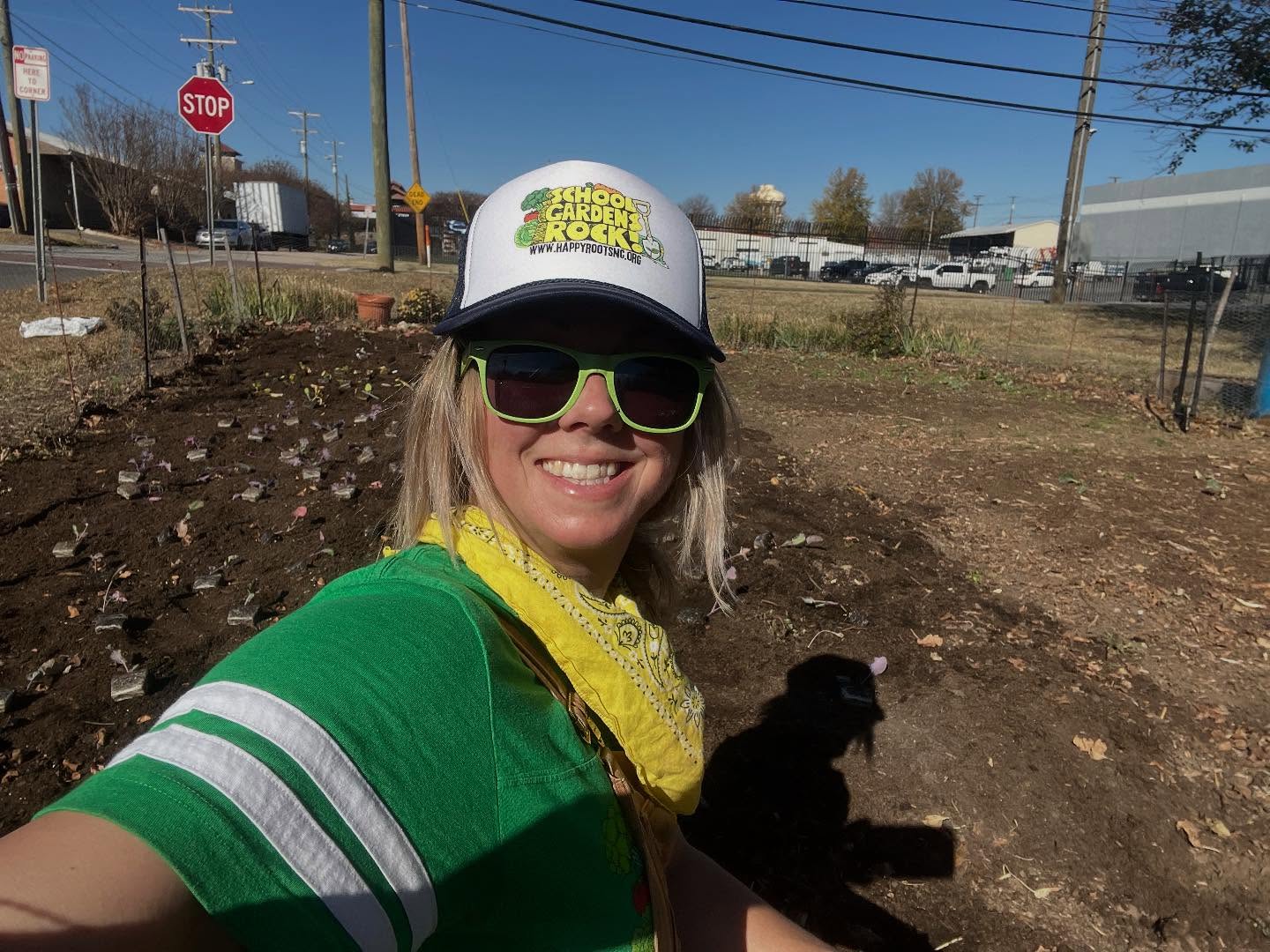
Happy Roots
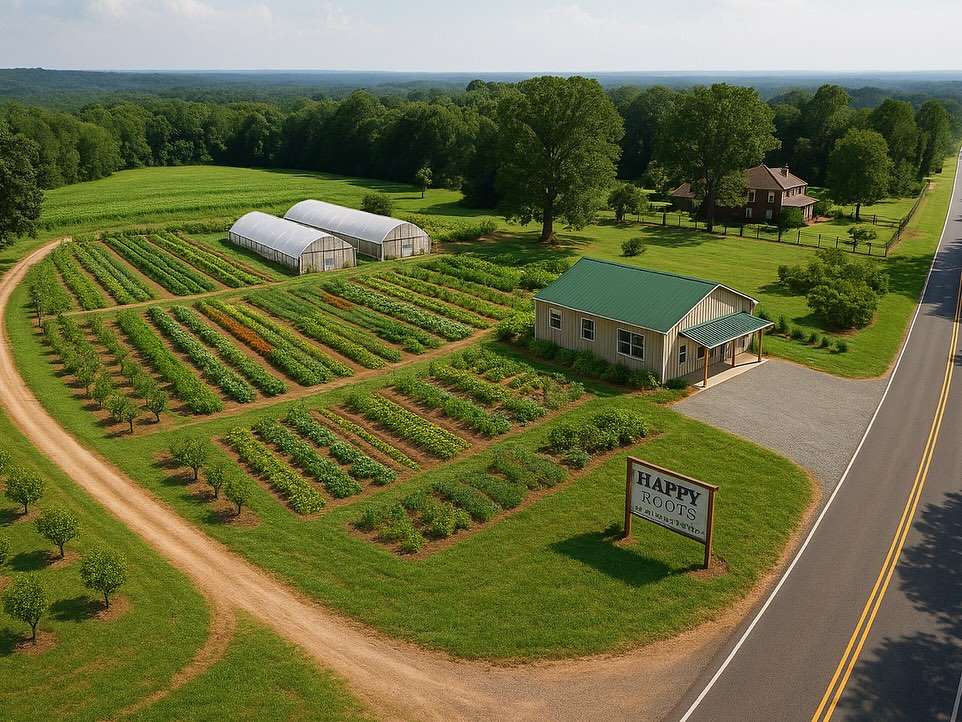
Since 2017, Happy Roots has been a cornerstone of garden-based education and community growing in Salisbury and Rowan County. The organization supports school garden programs in more than 20 Rowan-Salisbury Schools and manages numerous community gardens, including projects with Rowan Helping Ministries, Trinity Oak Assisted Living and Health & Rehabilitation, the JF Hurley Family YMCA, and the City of Salisbury’s West End Community Garden. With its work recognized by organizations such as Education NC, the American Horticultural Therapy Association, and the Farm to School Coalition of NC, Happy Roots continues to expand its impact. In Spring 2026, the organization will extend partnerships into four additional counties and open a new farm site featuring over 3,000 square feet of climate-controlled growing space.
Grant funding will support a key upgrade to Happy Roots’ composting program. After six years of operating a small-scale waste diversion system, Happy Roots is expanding its capacity with a new Earth Tub composting system. Funds will be used to construct a concrete pad to properly level and stabilize the system, a critical step in bringing the Earth Tub fully online. This investment will allow Happy Roots to accept more food waste, serve additional clients, and produce more high-quality compost to support its gardens and programs. Income from composting services and finished compost sales will help sustain and grow the program well beyond the grant period.
NCCC’s 2025 Grant Cycle is CLOSED for 2026 Projects!
The North Carolina Composting Council is proud to support the efforts of individuals and groups working toward keeping organic materials out of the waste stream and developing composting programs. We are currently offering three $1000 grants to be used for furthering composting, compost use, or compost education in North Carolina.
The project cannot be for home-use and must benefit a community or the industry. Projects can include anything from educational materials to materials for composting units to university studies.
The Grant Cycle recurs each fall.
The Next Round of Grant Funding will be Available in October 2026
Awards announced in December 2026 and disbursed in January 2027.
If you have any questions about your project’s eligibility, please contact Kat@carolinacompost.com. Awardees must be able to present at NCCC’s Annual Members Meeting, which will be held in mid-June of 2026 (likely June 17, 2026). If the review committee determines an applicant needs to interview, we will reach out.
2025 Grant Recipients
2024 Grant Recipients


2023 Grant Recipients
Crystal Coast Compost- $1000
Crystal Coast Compost is a small-scale community composting servie located along the cost of Eastern NC. Crystal Coast Compost used the grant funding to provide several 48-gallon totes, educational compost materials, and training to Queens Creek Elementary school to help with their school’s sustainability initiatives.
Tierra Fértil Coop
Tierra Fértil Coop promotes access to resources and capacity to produce food and stimulate food justice and racial equity in the local food and agricultural system. Tierra Fértil Coop used the funding to organize a “Composting for Beginners” training in Spanish with members of their Farmer Coop and other Hispanic community members in Henderson County.
Western NC Food Justice Planning Initiative
The Western NC Food Justice Planning Initiative is comprised of 36+ stakeholder organization dedicated to collectively improving our food system.
The Western North Carolina Food Justice Planning Initiative (WNC FJPI) used their funding to:
– Build a 3-bin rodent-proof compost unit at Woodson Branch Elementary. This project accepts community scraps and serves as a pilot for composting the single-use paper towels from the school’s bathrooms. The unit was designed to be an example for the surrounding community who may be interested in their own composting systems but have concerns about the rodents and other animals that can be problematic in their region.
– Host a vermicompost class at Hot Springs Elementary School. This workshop educated nearly 30 participants in the unique advantages of composting scraps to create rich worm castings. The class was taught by a member of the community with over ten years’ experience and participants built a unit together and a door prize of a second unit was given away. Participants could purchase worms to start their own production at home and feedback was overwhelmingly positive.
Other Past Grant Recipients
Every Tray Counts
Every Tray Counts works with children, parents and communities to promote responsible purchasing and waste diversion practices in North Carolina schools by replacing lunchroom polysytrene trays with a sustaimable alternative and diverting lunchroom compmostable materials away from landfills.
Success
In August 2013, after working with the volunteers of Every Tray Counts, the Chapel Hill-Carrboro City Schools committed to use compostable trays instead of polystyrene trays with the start of the new school year. Since then, Every Tray Counts has helped schools divert tons of compostable waste to a compost facility, and removed thousands of polystyrene trays from the waste stream. NCCC thinks this is an effort worth investing in.
Grant Goal
In early 2018 Every Tray Counts approached NCCC for funds to help it finish its first NC Schoolkit for Composting, a roadmap to improve sistainability in the school lunch room. The NCCC awarded a grant of $2500 to Every Tray Counts.
Results
Sue Scope of Every Tray Counts writes “Your grant made it possible to take another step in our work to expand the reach of Every Tray counts. With your grant we were able to finish our new School Kit and redesign our website to promote it.”
Garbage to Gardens
Garbage to Gardens is a program designed to divert school-waste streams from the cafeteria for better uses than landfilling, via composting and recycling. Garbage to Gardens leverages community partnerships to helps schools become more sustainable in New Hanover County. Garbage to Gardens aims to transform the community through environmental education, outreach, and institutional behavior change.
Grant Goal
In 2020 Garbage to Gardens, a cooperative program started by the Coastal Composting Council, requested funds to create a short video to promote it’s school sustainability program.
Results & Success
Bootscrap Productions created an informational video for the Garbage to Gardens Program to use to promote its program. Students from Winter Park Elementary School participated in the production to advocate for waste diversion stations in school cafeterias. This was the first hard deliverable created by Garbage to Gardens to recognize it’s program, which originated in 2019. After this grant Friends of the New Hanover county Arbroetum sponsored the program’s first program coordinator, Kat Polk. After successfully piloting this program, Matt Collogan, from the NHC Cooperative Extension, secured a $180,000 USDA grant to expand this school composting program between 2023 and 2025. The NCCC is proud to support this type of grassroots work that leads to long-term, community-level change and the promotion of compost.
If your organization’s mission is in line with the mission of NCCC and you are in need of funds for a special project or to step up to your goals, please submit a grant proposal by emailing it to info@carolinacompost.com.


