We’ve all heard the phrase “every little bit adds up.” Such is the case with food waste. It might not seem as if we throw away all that much food (whether it’s leftover pizza one day or lettuce scraps from the back of the refrigerator the next). However, the truth is that food waste is a significant problem in America and around the world.
The average American household throws away about 32% of the food that it buys, according to the American Journal of Agricultural Economics. According to estimates by the U.S. Department of Agriculture, that amounts to about $1,500 in wasted food each year for a family of four. Then, there are the larger environmental costs as food waste releases harmful methane emissions.
So how can you realistically reduce your food waste? It starts with your grocery trips. You should think carefully about how much food you typically eat each week and buy only as much as you need. Beyond that, think about keeping a food waste log. Consider printing out this log each week and attaching it to your refrigerator or placing it on your kitchen counter. Every time you throw food away, be sure to record what you threw away, how much you threw away, why you threw it away and how much it likely cost.
The idea is that, as you fill out this log each week, you will gradually become more aware of how much you throw away and hopefully begin to throw away less.
In addition to maintaining a food waste log, you should also try to keep your food fresh for as long as possible. There are a number of unique tips and tricks that you can use. For example, you should store celery in foil, not plastic, to keep it crisp for longer periods of time. As another example, you should remove the green tops of carrots, which suck the moisture out of carrots. Print out this food saver cheat sheet with strategies on storing more than 20 common foods to maximize freshness.
Finally, you should familiarize yourself with the rules surrounding “best by” dates on products. In most cases (with the exception of infant formula), these dates are simply guidelines. They are not federal requirements. Therefore, many common foods could be safe to eat after their listed expiration dates.
For example, applesauce could last up to 18 months past its listed date. Meanwhile, peanut butter could last up to eight months past its listed date, and yogurt could last an additional three weeks.
Everyone has at least some work to do in cutting down the amount of food that they throw away! According to the American Journal of Agricultural Economics, even the least wasteful American households throw away 9% of the food that they buy. Download all of these food waste reduction resources and reduce your food waste today.
http://carolinacompost.com/wp-content/uploads/2015/05/logo-trans-bkg1.png00Julie Moorehttp://carolinacompost.com/wp-content/uploads/2015/05/logo-trans-bkg1.pngJulie Moore2020-07-20 20:56:152020-07-20 20:56:15Reduce Your Food Waste by Logging It!
Now that we’re all staying home for a while it’s a great time to do some of the projects that we’ve been dreaming of.I have wanted to start a worm bin for composting food scraps so I can have the castings (worm poo) to put on my potted plants.Here’s the story of how I went about my project.
Vermicomposting or worm composting is easy and fun.We all know that food scraps in the landfill are a big problem because they create the mega-greenhouse gas, methane.Composting those scraps is the best thing to do, but if you don’t have room for a regular bin you can use worms as your garbage disposal.You just feed your food scraps to the worms and they turn it into castings that are a wonderful odor-free fertilizer for houseplants and gardens.
Here’s what I did:
First, I got on the internet and read a bit about making and maintaining a worm bin on the NC State University’s website (https://composting.ces.ncsu.edu/vermicomposting-2/ ).As I was reading I wrote up a list of questions and called Rhonda Sherman, the “Worm Lady” at NC State.Rhonda is known worldwide for her work in vermiculture and I knew she’d have all the answers.
Me:Does it matter what color the bin is?I know worms can’t see, so they don’t “care” what color the bin is, but do they tend to thrive better in one color over another?
Rhonda:One color is not any better than another, but dark is better than clear because they’re sensitive to light.Also, a shallow bin is better than a deep one, 14-18 gallon size is recommended
Me:Is sawdust an ok matrix to start with? Rhonda:Not sure that’s a good idea since sawdust could heat up as it composts and that would not be good for the worms.It would be better to use shredded cardboard mixed with shredded newspaper.
Me:Do the worms do better if I run the food scraps in the blender or mash them up before I put them in the bin? Rhonda:Yes, smaller pieces are easier for the worms to eat, but it’s not absolutely necessary.Be sure to drain off the liquid before putting blended food into the bin, too much water is a problem.
Me:What local resource do you recommend for purchasing worms?
Rhonda:Here in the Triangle area New Soil Vermiculture and Red Hen Enterprises are great places to buy worms.
Me: I have chickens, is their soiled bedding good for the worms?
Rhonda:No, chicken manure is too high in ammonia.
Me:I have a wood burning fireplace, do the worms like ashes?
Rhonda:NO wood ashes are too acidic.
Me:What else should I know about vermiculture before I start?
Rhonda:Overfeeding is the #1 problem of home bins, wait until the food is gone before adding more.
Armed with the information from Rhonda’s website and answers to my questions, I set about finding a suitable container.I had several plastic bins that I’ve used for other purposes over the years, so I didn’t need to buy one.Against Rhonda’s recommendation I chose a clear container because I will be using my worm bin to show vermicomposting at festivals and lectures that I do for the NC Composting Council.I thought it would be best if people could look at the worms and castings through the side of the bin rather than always opening the top.Since I don’t have a drill, I used a hammer and big nails to punch holes in the bottom of the bin so that the excess fluid can seep out.The sides of this particular style of bin already had air holes, so I didn’t need to make more.Time to add the bedding.
I have a regular compost bin in my backyard, and I keep a stack of newspapers to add in whenever I need more carbon material.I leave the stack outside so it will always be soaked with rain – torn into strips, this made a perfect bedding for my worms.Now all I needed was the worms themselves.
There are several good sources online where you can order Red Wiggler worms for composting, but I like to support local businesses whenever possible so I called New Soil Vermiculture in Durham and Garry Lipscomb was happy to help me.I drove to Durham and picked up a pound of worms for just under $40.
Back at home I rummaged through my kitchen scrap bin and selected the bits that worms would like, egg shells, banana peals, old bread and coffee grounds.I put them all into an old Chinese food container and used my hand held blender to chop them into worm-bite size pieces.I added this to the newspaper bedding and dumped the worms in, then topped it off with more moist newspaper to cover the worms, and put on the lid.Rhonda Sherman tells me that you really don’t need to feed the worms for a day or two after moving them into a new home, they get along just fine in the wet newspaper and it gives them some time to adjust.
Under the bin I put a stray lid from a larger bin to catch anything that would drain out.My worm bin now resides under my deck where it’s nice and dark most of the time and the temperature is consistent.In the winter I may move the bin into my laundry room if the winter nights are very cold.
When I checked on my worms this morning – less than 24 hours after putting the bin together – the worms had distributed themselves throughout the bedding and there are castings everywhere which means that everyone is happy and healthy and going about their composting business.I’ll be able to harvest castings to use on my container vegetable garden in a month or so.
The NC Composting Council’s website has a page on Vermicomposting(http://carolinacompost.com/vermicomposting/) where you can see several designs of worm bins to buy, so if you don’t want to make your own you can just order one on the web.
Happily, there are many good resources for how and why to compost with worms, here are some of our favorites for exploring the science more thoroughly and seeing various ways to make worm bins for indoors and outdoors.
http://carolinacompost.com/wp-content/uploads/2015/05/logo-trans-bkg1.png00Julie Moorehttp://carolinacompost.com/wp-content/uploads/2015/05/logo-trans-bkg1.pngJulie Moore2020-04-06 20:38:352020-04-06 20:38:35Make a Worm Bin – a Stuck At Home Project

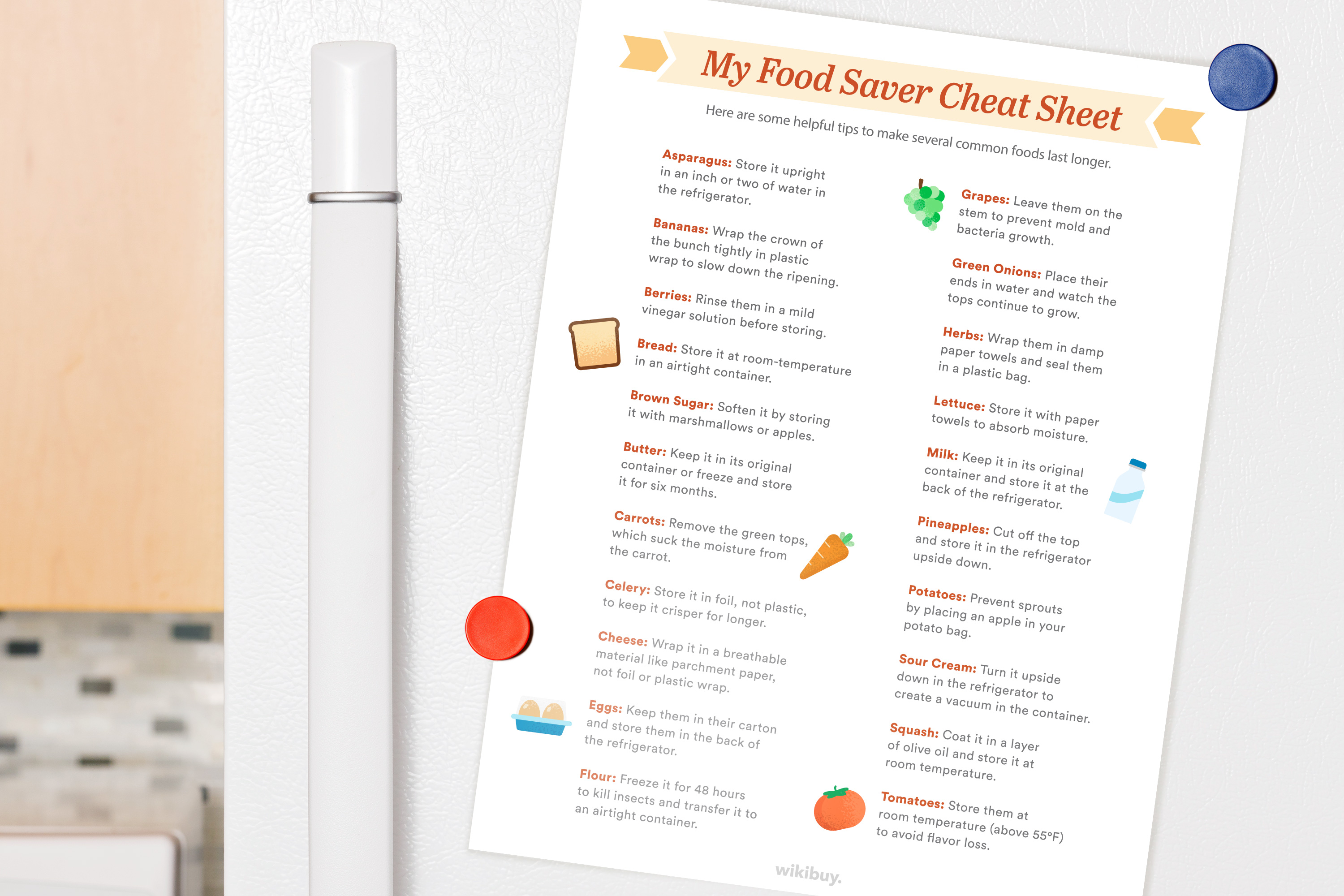 Print out this food saver cheat sheet with strategies on storing more than 20 common foods to maximize freshness.


